EPC Doncaster – Energy Performance Certificates from £80
Need an EPC in Doncaster? We arrange domestic Energy Performance Certificates for landlords, homeowners, sellers and property owners across Doncaster and the surrounding South Yorkshire area.
If you are selling, renting out, re-letting, remortgaging or checking whether your property already has a valid EPC, we can help you arrange a straightforward local EPC service without unnecessary call-centre booking fees.
An EPC gives your property an energy efficiency rating from A to G and is normally valid for 10 years once lodged on the official EPC register.
Domestic EPCs start from £80 for straightforward properties in the Doncaster area.
Ready to Book Your EPC?
Complete our simple callback request form and we’ll arrange your Energy Performance Certificate at a convenient time.
Or simply use the floating Call button if you’d prefer to speak to us.
Local EPC Assessor for Doncaster
Our EPC Doncaster service is for people who want a simple, local and reliable way to arrange an Energy Performance Certificate. We help landlords, homeowners, letting agents and sellers get the EPC they need for a house, flat, rental property or small domestic property in the Doncaster area.
Many people search for EPC Doncaster, Energy Performance Certificate Doncaster, EPC assessor near me, landlord EPC Doncaster, EPC certificate Doncaster or domestic energy assessor Doncaster. Whatever wording you use, the aim is usually the same: you need a valid EPC carried out properly, at a fair price, without delays.
We focus on domestic EPCs for properties being sold, rented or prepared for a new tenancy. If you are unsure whether your property already has a valid certificate, we can help you check before you spend money on a new one.
What Is an EPC?
An Energy Performance Certificate, usually called an EPC, is a standard report that shows how energy efficient a property is. The property is given a rating from A to G, where A is the most efficient and G is the least efficient.
The EPC also gives estimated energy costs and recommendations for improvements. These recommendations might include loft insulation, wall insulation, heating controls, low-energy lighting, hot water cylinder insulation, improved glazing, solar panels or other energy efficiency measures.
The EPC does not guarantee actual fuel bills because real costs depend on how the occupants use the property, how warm they keep it, and current energy prices. It does, however, give buyers, tenants, landlords and homeowners a recognised way to compare the energy performance of different properties.
When Do You Need an EPC?
You normally need an EPC when a property is built, sold or rented out. The EPC should be available to potential buyers or tenants and is used to show how energy efficient the property is.
You may need an EPC if:
- You are selling a house or flat in Doncaster
- You are renting out a property to new tenants
- You are a landlord preparing for a new tenancy
- Your existing EPC has expired
- Your letting agent has asked for an updated EPC
- You have improved the property and want a new rating
- You need evidence for mortgage, sale or compliance purposes
If the property already has a valid EPC, you may not need a new one. However, if major improvements have been made since the last certificate, such as new insulation, heating, windows or renewable technology, a new EPC may give a more accurate current rating.
Landlord EPC Doncaster
Landlords in Doncaster need to make sure their rental property has a valid EPC before marketing or letting the property. For most domestic rental properties in England and Wales, the current minimum energy efficiency standard is band E unless a valid exemption applies.
This is especially important if you are preparing a property for a new tenancy, changing letting agent, or bringing an older property back onto the rental market.
Our EPC service is suitable for:
- Private landlords with one rental property
- Landlords with several properties in Doncaster
- Letting agents needing EPCs for managed properties
- HMO landlords
- Buy-to-let investors
- Landlords checking whether improvements may improve the EPC rating
If your property currently has an F or G rating, you may need advice before re-letting. The EPC report will include recommendations, but the best route will depend on the property, the construction, heating system, insulation and existing evidence available.
EPC for Selling a Property in Doncaster
If you are selling your house or flat, an EPC is usually needed before the property is marketed. Estate agents, solicitors and buyers may ask for the EPC early in the sale process.
A current EPC helps buyers understand the likely energy performance of the home and gives a standard rating that can be compared with other properties. It also shows potential improvements that could increase energy efficiency.
If you are preparing to sell, it is sensible to arrange the EPC before delays occur. The certificate can then be lodged on the official register and shared with your estate agent, solicitor or prospective buyer.
What Happens During an EPC Survey?
An EPC survey is a non-invasive assessment of the property. The assessor collects information about the building and enters it into approved EPC software. The certificate is then lodged on the official EPC register.
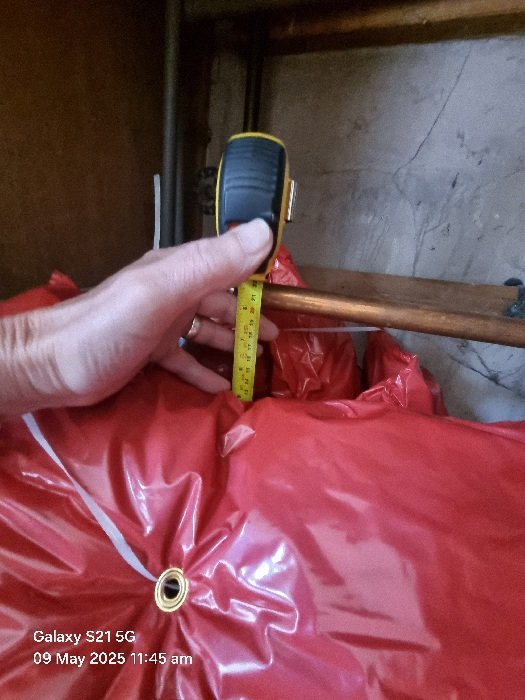
During the survey, the assessor may look at:
- Property type and age
- Construction and wall type
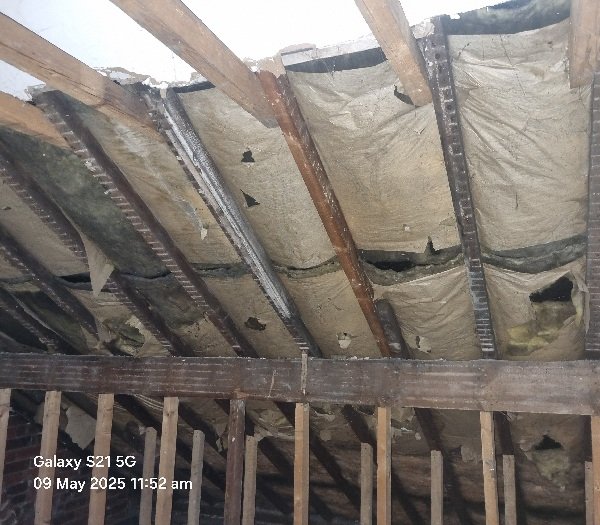
- Roof and loft insulation
- Heating system and controls
- Hot water system and cylinder insulation
- Windows and glazing
- Fixed lighting
- Any renewable energy features
- Evidence of insulation or improvements
The assessor does not normally need to lift floorboards, damage the property or carry out invasive checks. However, if something cannot be seen or evidenced, it may have to be recorded as unknown or assumed according to the EPC rules.
How to Prepare for Your EPC Assessment
A little preparation can help the EPC assessment go smoothly and may help the assessor record the property accurately.
- Make sure there is access to all rooms
- Provide access to the loft hatch where possible
- Have boiler manuals, service records or model information available
- Have paperwork for cavity wall insulation if available
- Have paperwork for loft insulation, extensions or conversions if available
- Have FENSA or window installation information if useful
- Make sure low-energy fixed lighting is fitted where practical
- Provide details of solar panels or other renewable systems if installed
If the assessor cannot verify certain improvements, the EPC software may not give full credit for them. Evidence can therefore be important, especially for older properties that have been upgraded over time.
How Your EPC Rating Is Calculated
The EPC rating is calculated using approved software. The assessor records details about the property, including construction, insulation, heating, hot water, lighting and renewable energy features. The software then calculates the energy performance rating.
The rating is not based on your actual gas or electricity bills. It is based on the property itself, using standard assumptions so that one property can be compared fairly with another.
The final certificate gives the current rating and a potential rating. The potential rating shows what the property might achieve if recommended improvements were carried out.
What Affects an EPC Rating?
Several parts of the property can affect the EPC score. Some have a larger impact than others, and the result depends on how the property is built and heated.
- Loft insulation: A well-insulated loft can improve heat retention and help the EPC rating.
- Wall insulation: Cavity wall insulation or solid wall insulation can make a significant difference where suitable.
- Heating system: The type, age and efficiency of the boiler or heating system matter.
- Heating controls: Programmers, thermostats and thermostatic radiator valves can help the rating.
- Hot water cylinder insulation: A properly insulated cylinder reduces heat loss.
- Glazing: Double glazing usually performs better than single glazing.
- Lighting: Low-energy fixed lighting can contribute to the rating.
- Renewables: Solar panels and some renewable systems may improve the rating.
10 Ways to Improve Your EPC Rating
Not every property needs every improvement, but the following measures are commonly considered when trying to improve an EPC rating:
- Top up loft insulation where it is missing or too thin.
- Fit low-energy lamps in fixed light fittings.
- Improve heating controls, such as room thermostats and TRVs.
- Insulate the hot water cylinder properly.
- Provide evidence of cavity wall insulation if it is not visible.
- Provide evidence of loft insulation if the loft is boarded or difficult to inspect.
- Provide accurate boiler make and model information where possible.
- Consider replacing very old or inefficient heating systems.
- Keep paperwork for double glazing, extensions and insulation work.
- Consider renewable technologies where appropriate for the property.
The most cost-effective improvements depend on the building. A modern flat, older terrace, detached house, bungalow or converted property may each need a different approach.
Loft Insulation and EPCs
Loft insulation is one of the most common areas checked during an EPC assessment. If the insulation is visible and measurable, the assessor can record it. If it is hidden beneath boarding or cannot be accessed safely, it may have to be recorded differently.
This is why it helps to provide paperwork where insulation has been installed but cannot be seen. The more accurate the evidence, the more accurate the EPC is likely to be.
Wall Insulation and EPCs
Wall construction has a major effect on energy performance. Cavity wall insulation can improve the rating, but the assessor needs to be able to identify it or see acceptable evidence.
For older Doncaster properties, construction can vary. Some homes may have solid walls, some may have cavity walls, and some may have later extensions with different construction. The assessor records the property as accurately as possible based on age, construction, visible evidence and documentation.
Heating Systems, Boilers and EPC Ratings
The heating system is often one of the most important parts of the EPC calculation. The assessor will try to identify the type of heating, the boiler, heating controls and hot water arrangement.
If the exact boiler model can be identified, the software may be able to use more accurate efficiency data. If the boiler cannot be identified, the software may have to use a default assumption. This is why boiler manuals, service records or a visible data plate can be useful.
EPC Prices in Doncaster
Domestic EPCs start from £80 for straightforward properties in the Doncaster area.
The final price may depend on property size, type, location, access and whether the property is a standard house, flat, larger home, HMO or unusual building. We aim to keep pricing fair and clear from the start.
Using a local EPC service can also help avoid unnecessary middleman fees. Some national booking websites advertise EPCs but then pass the work to local assessors while adding their own booking charge. By arranging your EPC locally, you keep the process simpler and usually more direct.
Areas Covered
We arrange EPCs across Doncaster and nearby areas including Balby, Bentley, Bessacarr, Armthorpe, Edenthorpe, Intake, Wheatley, Sprotbrough, Scawsby, Cantley, Rossington, Tickhill, Bawtry, Askern, Adwick, Carcroft, Woodlands, Wakefiels, Rotherham, Hatfield, Thorne, Stainforth, Mexborough and Conisbrough.
We can also help with EPC enquiries across wider South Yorkshire by arrangement.
Need a Commercial EPC?
This page is mainly for domestic EPCs in Doncaster. If you need an EPC for an office, shop, factory, warehouse, industrial unit, restaurant, takeaway, workshop or other non-domestic premises, you may need a commercial EPC instead.
For commercial Energy Performance Certificates, please see our dedicated Commercial EPC Doncaster page.
Domestic EPCs and Other Property Compliance
Many landlords who need an EPC also need other property compliance services, such as gas safety checks, electrical safety checks and Legionella risk assessments. This page is focused on Energy Performance Certificates, but we can also help point landlords in the right direction for related compliance needs.
If you also need a water safety check, please see our Legionella risk assessment Doncaster page.
Keeping EPC and Legionella information on separate pages helps each page stay clear and focused while still helping landlords find the services they need.
Why Choose Our EPC Doncaster Service?
- Local Doncaster-focused EPC service
- Domestic EPCs from £80
- Suitable for landlords, sellers and homeowners
- No unnecessary middleman booking fees
- Clear advice before you book
- Help checking whether an EPC already exists
- Practical preparation advice before the visit
- Useful for rental, sale and compliance purposes
The aim is to make the EPC process simple. You tell us about the property, we confirm what is needed, and the EPC is arranged in a practical way.
EPCs for Older Properties in Doncaster
Doncaster has many older homes, including terraces, semis, bungalows and properties that have been extended or altered over time. Older properties can sometimes be more difficult to assess because the original construction may not be obvious and later improvements may not always be visible.
If your property has had insulation, new windows, a boiler replacement, an extension, solar panels or other energy improvements, any paperwork you can provide may help the assessor record the property more accurately.
Common EPC Problems That Can Lower the Rating
Some EPC ratings are lower than owners expect because key improvements cannot be seen or evidenced during the assessment.
- Loft insulation hidden under boarding
- Cavity wall insulation with no paperwork
- Boiler model details not visible
- Old heating controls or no room thermostat
- Too few low-energy fixed light fittings
- Uninsulated hot water cylinder
- Single glazing or older double glazing
- Extensions with limited construction evidence
Before the visit, it is worth gathering any documents you have. Even small details can help the assessor produce a more accurate EPC.
What Happens After the EPC Survey?
After the property has been assessed, the information is entered into approved EPC software. The EPC is then lodged on the official register and given a certificate reference number.
You can then send the EPC link to your estate agent, letting agent, solicitor, buyer, tenant or anyone else who needs to see it. The certificate will show the current rating, potential rating, estimated energy costs and recommendations for improvement.
Why Avoid National EPC Booking Websites?
Some websites advertise cheap EPCs nationally but do not carry out the assessment themselves. They act as a booking service and pass the job to an assessor, often adding a fee for doing so.
Using a local EPC service keeps the process more direct. You can explain the property, ask questions before booking, and avoid unnecessary confusion between the person taking the booking and the person attending the property.
EPCs for HMOs and Rental Portfolios
If you own an HMO or several rental properties in Doncaster, it is sensible to keep track of EPC expiry dates, current ratings and any properties that may need improvement before the next tenancy.
We can help landlords arrange EPCs for single properties or multiple rental properties. This is useful when you are preparing a property for letting, changing agent, reviewing compliance records or planning future improvements.
Book Your EPC Before It Becomes Urgent
Many EPC enquiries come in when a property is already being marketed or a tenancy is about to start. Booking early helps avoid delays with estate agents, letting agents, solicitors or tenants.
If you are planning to sell or rent a property in Doncaster, arrange the EPC as soon as possible. Once completed and lodged, the certificate is normally valid for 10 years.
Understanding EPC Ratings from A to G
Every Energy Performance Certificate gives a property a rating between A and G. This allows buyers, tenants and homeowners to compare one property with another using the same nationally recognised standard.
- Band A – Outstanding energy efficiency.
- Band B – Excellent performance with low running costs.
- Band C – Very energy efficient and increasingly common in modern homes.
- Band D – Around the average rating for many homes in the UK.
- Band E – Meets the current minimum standard for most privately rented properties.
- Band F – Poor energy performance and may require improvements before being rented.
- Band G – Very poor energy efficiency with high estimated running costs.
It is important to remember that an EPC is based on the construction and features of the property rather than how the current occupier uses it. Two identical houses could receive the same EPC rating even if one family spends much more on energy than the other.
Can You Improve an EPC Rating Before Selling?
Yes. Many homeowners choose to carry out simple improvements before arranging a new EPC. Some improvements are inexpensive but can still make a noticeable difference to the overall rating.
Examples include:
- Replacing older light bulbs with LED lighting.
- Adding or topping up loft insulation.
- Insulating an exposed hot water cylinder.
- Installing or upgrading heating controls.
- Replacing an inefficient boiler.
- Providing documentary evidence of insulation that cannot easily be seen.
Not every improvement will increase the rating by the same amount, but small changes often improve both energy efficiency and future running costs.
What Is SAP?
Every domestic EPC is produced using the Government’s Standard Assessment Procedure, commonly known as SAP. This is the approved method used throughout England and Wales to calculate the energy performance of homes.
The assessor records information about the property and approved software uses SAP calculations to produce the final EPC rating. The calculation considers factors such as insulation levels, heating efficiency, hot water systems, windows, lighting and renewable energy technologies.
Because every assessor uses the same methodology, the results are consistent and comparable across different properties.
Why Documentation Can Make a Difference
One of the biggest reasons for a lower-than-expected EPC is missing evidence. Improvements that cannot be verified sometimes have to be entered using standard assumptions.
If you have any of the following, it is worth making them available during the survey:
- Boiler installation paperwork.
- Cavity wall insulation certificates.
- Loft insulation invoices or guarantees.
- FENSA certificates for replacement windows.
- Solar PV installation documents.
- Heat pump documentation.
- Building Control completion certificates for extensions.
Having the correct documentation available helps ensure the assessment reflects the property as accurately as possible.
Serving Doncaster and Surrounding Areas
Our EPC service covers Doncaster itself together with the surrounding towns and villages. We regularly arrange EPCs in Balby, Bentley, Bessacarr, Armthorpe, Edenthorpe, Wheatley, Intake, Rossington, Tickhill, Hatfield, Thorne, Stainforth, Askern, Adwick, Woodlands, Carcroft, Mexborough, Conisbrough and nearby areas throughout South Yorkshire.
If you are unsure whether we cover your area, simply contact us and we will be pleased to help.
Related Property Services
If you own or manage rental property, an EPC is only one part of your legal responsibilities. Many landlords also need Gas Safety Certificates, Electrical Installation Condition Reports (EICRs) and Legionella Risk Assessments.
If you require a landlord Legionella Risk Assessment in Doncaster, please visit our dedicated Legionella Doncaster page for further information.
For offices, factories, warehouses, shops and other commercial buildings, please visit our dedicated Commercial EPC Doncaster page.
Our Aim
Whether you are selling your home, preparing a rental property or simply need an up-to-date Energy Performance Certificate, our aim is to make the process straightforward from start to finish.
We believe in clear pricing, practical advice and a friendly local service. If you have questions before booking your EPC, we are always happy to explain the process and help you understand what is required.
Ready to Book Your EPC?
Complete our simple callback request form and we’ll arrange your Energy Performance Certificate at a convenient time.
Or simply use the floating Call button if you’d prefer to speak to us.
Frequently Asked Questions About EPCs in Doncaster
How long does an EPC last?
An EPC is normally valid for 10 years from the date it is issued, unless a newer EPC is produced for the same property.
Do landlords need an EPC?
Yes, landlords normally need a valid EPC before renting out a property. Most domestic rental properties in England and Wales must meet at least EPC band E unless a valid exemption applies.
Do I need a new EPC every time I rent the property?
Not if the existing EPC is still valid and suitable. EPCs normally last for 10 years, although you may choose to get a new one if improvements have been made and you want the rating updated.
Can I check whether my property already has an EPC?
Yes. Existing EPCs can be checked on the official government EPC register. If a valid certificate already exists, you may not need to order a new one.
How much does an EPC cost in Doncaster?
Domestic EPCs start from £80 for straightforward properties in the Doncaster area. Larger or more complex properties may cost more.
How long does the EPC survey take?
A typical domestic EPC survey often takes around 30 to 60 minutes, depending on the size, layout and complexity of the property.
Can an EPC rating be improved?
Yes. EPC ratings can sometimes be improved by measures such as better insulation, heating controls, low-energy lighting, improved glazing, efficient heating systems or renewable technologies. The most suitable improvements depend on the property.
Does loft insulation affect the EPC rating?
Yes. Loft insulation can affect the EPC rating, especially where insulation is missing, very thin or cannot be verified. If the loft is boarded, paperwork can help show what insulation is present.
Does double glazing improve an EPC?
Double glazing can help, but the effect depends on the property and the other features already present. Heating, insulation and wall construction may have a larger effect in some homes.
Does an old boiler reduce the EPC rating?
An older or inefficient boiler may reduce the EPC rating. Accurate boiler details can help the assessor record the heating system properly.
Can a property fail an EPC?
An EPC itself is a rating, not a pass or fail certificate. However, rental properties normally need to meet the required minimum standard unless an exemption applies.
Do I need to be present for the EPC survey?
Someone normally needs to provide access to the property. This may be the owner, tenant, landlord, agent or another authorised person.
Will the assessor need access to the loft?
Loft access is helpful where it is safe and practical. If the loft cannot be accessed, the assessor may have to record insulation based on evidence or assumptions allowed by the EPC rules.
Can estate agents arrange an EPC?
Many estate agents can arrange EPCs, but some use panels or booking services. Arranging a local EPC directly can keep the process simpler and may avoid added booking fees.
Do I need a new EPC after home improvements?
You do not always need a new EPC after improvements, but you may want one if the changes could improve the rating and you are selling, renting or proving the property’s current performance.
What evidence should I keep for an EPC?
Useful evidence can include insulation certificates, boiler details, window installation paperwork, extension information, solar panel documentation and details of heating upgrades.
Is an EPC the same as a survey?
No. An EPC is an energy performance assessment. It is not a structural survey, valuation or detailed building condition report.
Can I book an EPC quickly?
In many cases, yes. Availability depends on location, property access and current workload, but we aim to keep the process straightforward.
Frequently Asked Questions About EPCs
What does EPC stand for?
EPC stands for Energy Performance Certificate. It is an official document that measures the energy efficiency of a property and provides recommendations for improving it.
How long is an EPC valid?
Once issued, an EPC is normally valid for 10 years unless a newer certificate is produced for the same property.
Do I need an EPC before selling my house?
Yes. In most cases an EPC must be available when a property is marketed for sale so that prospective buyers can see its energy efficiency rating.
Do landlords need an EPC?
Yes. Landlords normally need a valid EPC before letting a property. Most privately rented homes must meet the current minimum energy efficiency requirements unless an exemption applies.
Can I sell my house with an old EPC?
If your EPC is still within its 10-year validity period, it will usually remain valid. However, if you have made significant energy improvements, you may benefit from obtaining a new certificate.
How long does an EPC assessment take?
Most domestic assessments take between 30 and 60 minutes, depending on the size and complexity of the property.
Do I have to empty the loft?
No. The assessor simply needs safe access where possible to view the insulation. There is no need to remove stored belongings unless they prevent safe access.
Will furniture affect the EPC?
No. Furniture does not affect the rating, although it can sometimes make access to important features more difficult.
Does a new boiler improve an EPC?
In many cases it can. Modern condensing boilers are generally more efficient than older heating systems and may contribute to a better EPC rating.
Does loft insulation improve an EPC?
Yes. Adequate loft insulation is one of the most effective ways of reducing heat loss and can contribute towards a higher EPC rating.
Does cavity wall insulation help?
Where suitable for the property, cavity wall insulation can improve energy efficiency and may positively affect the EPC.
Does double glazing increase an EPC rating?
Double glazing is one of several factors considered during the assessment. It usually performs better than single glazing but is only one part of the overall calculation.
Can solar panels improve an EPC?
Yes. Solar photovoltaic systems and some other renewable technologies may improve a property’s energy performance rating.
Can I improve my EPC without major building work?
Often, yes. Better heating controls, LED lighting, loft insulation and providing evidence of existing improvements can all make a difference.
Can I check whether my property already has an EPC?
Yes. Existing certificates can normally be found on the Government’s EPC Register.
What information should I have ready?
If available, boiler manuals, insulation certificates, FENSA documentation, solar panel paperwork and details of extensions can all help produce the most accurate assessment.
Do estate agents arrange EPCs?
Many estate agents offer to arrange EPCs, although some simply use national booking services. Booking directly with a local provider often gives a more personal service.
Can an EPC fail?
No. An EPC provides a rating rather than a pass or fail result. However, landlords must ensure rented properties meet the minimum legal standard where applicable.
Is an EPC the same as a building survey?
No. An EPC assesses energy efficiency only. It is not a structural survey and does not identify building defects.
How soon will I receive my EPC?
In most cases the certificate is lodged on the official register shortly after the assessment has been completed.
Why Local Knowledge Matters
Doncaster has a wide variety of housing, from Victorian terraces and former mining cottages to modern housing developments and rural properties. Each type of property presents different challenges when assessing energy performance.
Older solid-wall homes behave very differently from modern cavity-wall construction, while converted properties and extensions often require careful assessment to ensure they are recorded correctly.
Using a local EPC service means working with someone familiar with the types of homes commonly found across Doncaster and South Yorkshire, helping to make the assessment as accurate as possible.
Our Commitment to Clear Advice
We believe an EPC should not be confusing. If you are unsure whether you need a new certificate, have questions about your existing rating, or simply want to understand the process before booking, we are happy to explain everything in plain English.
Our aim is to provide a straightforward local service with fair pricing, practical advice and an accurate Energy Performance Certificate that meets current requirements.
Book an EPC in Doncaster
If you need an EPC in Doncaster, an Energy Performance Certificate for a rental property, a landlord EPC, or an EPC for selling your home, contact us today.
We will help you check what you need, confirm the likely cost, and arrange the next step.
Ready to Book Your EPC?
Complete our simple callback request form and we’ll arrange your Energy Performance Certificate at a convenient time.
Or simply use the floating Call button if you’d prefer to speak to us.